iRhythm Data Breach 2026: What Patients Need to Do
iRhythm data breach 2026: heart-monitor maker iRhythm confirmed a cyberattack that exposed patient names, contact details, insurance numbers, and dates of birth. The company began notifying affected individuals on October 2, 2026, after a months-long forensic investigation. If you have ever worn an iRhythm Zio heart monitor, here's what happened, what was taken, and exactly what to do next.
What Happened: The iRhythm Cyberattack Timeline
iRhythm Holdings (NASDAQ: IRTC) is a digital health company best known for the Zio patch — a small wearable biosensor that sticks to your chest and records your heartbeat for up to 14 days, helping doctors detect irregular heart rhythms like atrial fibrillation. Millions of these monitors have been prescribed worldwide.
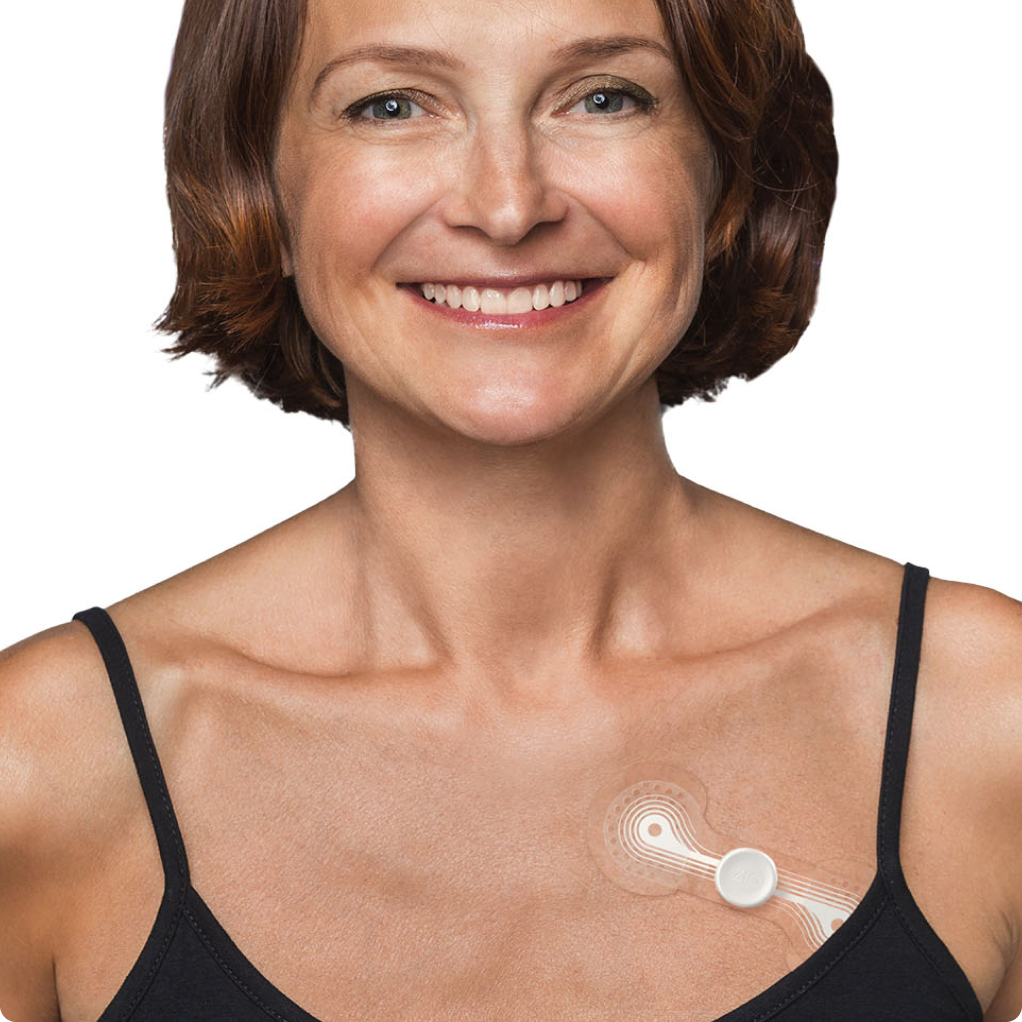
Image: iRhythm
Here's how the incident unfolded, based on the company's official disclosure:
- June 3–8, 2026: Attackers accessed and downloaded data from certain third-party-hosted business applications used by iRhythm.
- June 8, 2026: iRhythm detected the unauthorized access and activated its incident response plan, bringing in outside cybersecurity experts.
- June 15, 2026: The company filed a Current Report on Form 8-K, publicly disclosing the incident.
- October 2, 2026: After the forensic investigation and a review of the stolen data concluded, iRhythm began notifying the impacted individuals.
Importantly, iRhythm says the breach hit business applications, not its core medical systems. The company reports no impact on its Zio products, clinical or medical device systems, manufacturing, distribution, or patient safety — and says it does not store payment card or bank account information at all.
For context on how attackers keep targeting the healthcare industry, see our more Cybersecurity news.
What Patient Data Was Exposed in the Breach
The forensic review concluded that the stolen data includes:
- Patient names
- Contact information — home address, email address, and phone number
- iRhythm patient account numbers
- Device serial numbers
- Insurance numbers
- Dates of service
- Dates of birth

Image: KamenG via Wikimedia Commons (CC BY-SA 4.0)
That's a potent combination. A name plus a date of birth, address, and insurance number is often enough for criminals to attempt identity theft — opening accounts in your name — or medical identity theft, where someone uses your identity to obtain medical care or prescription drugs, leaving false records on your file and surprise bills in your mailbox.
iRhythm says it has no evidence that the stolen information has been or will be used for identity theft so far — but with data theft, silence now doesn't guarantee safety later. Stolen personal data is routinely held for months before it's sold or abused.
How iRhythm Is Responding
Now that the investigation is complete, iRhythm says it has begun notifying everyone it believes was affected, providing guidance on protecting their information. The company has also:
- Set up a dedicated call center for impacted individuals: 1-844-770-7175, Monday through Friday, 8:00 a.m. to 8:00 p.m. Eastern time.
- Published a notice of the data event on its website with steps people can take to protect themselves.
- Stated it continues to believe the incident is not reasonably likely to have a material impact on its financial condition or results of operations.
The company also says it regularly evaluates and updates its security practices and internal controls, and is taking steps to reduce the risk to affected individuals.
Why Health Data Breaches Hit Harder Than Other Hacks
When a retail chain gets hacked, you can cancel a credit card. Health data is different — and that's why healthcare breaches keep rising:
- You can't replace your medical history. A new card number fixes fraud; your date of birth, insurance number, and diagnosis records are permanent.
- Medical identity theft is messy. Fraudulent treatments can land in your medical records, potentially affecting future diagnoses, prescriptions, and insurance coverage.
- Health data sells at a premium. On underground markets, full medical identity profiles routinely fetch more than stolen credit card numbers, because they stay useful far longer.
- Scams get personal. Attackers armed with real details — your name, your doctor visits, your device serial number — can craft frighteningly convincing phishing calls and emails.
Wearable health tech sits at the center of this risk, which is why it's worth keeping up with more Technology news as these devices collect ever more sensitive data.
What to Do If You're Affected by the iRhythm Breach
If you've ever been prescribed a Zio monitor, treat this seriously — but don't panic. Work through these steps:
- Watch for the notification letter. iRhythm is contacting impacted individuals who have contact information on file. Read it carefully — it will tell you exactly what data of yours was involved.
- Place a fraud alert or security freeze. A free fraud alert with one credit bureau (Equifax, Experian, or TransUnion) notifies all three and tells lenders to verify your identity. A security freeze is stronger: it locks your credit file entirely. For a health-data breach like this one, a freeze is the safer move.
- Get your free credit reports. Request them at AnnualCreditReport.com and scan for accounts or inquiries you don't recognize.
- Review statements regularly. Check bank, credit card, and — crucially — medical statements and Explanation of Benefits (EOB) letters from your insurer for services you never received.
- Guard against phishing. Expect scammers to pose as iRhythm, your insurer, or your doctor's office. Never give personal details to an unexpected caller — hang up and call the company back on a number you trust, like iRhythm's official line above.
- Call the help line if unsure. iRhythm's call center at 1-844-770-7175 exists precisely for questions about this incident.
The bottom line: this breach is a reminder that the companies handling our health data are prime targets. The Zio patch on your chest is a marvel of medical technology — but the data trail it leaves behind needs guarding too. Take the protective steps now, while it's quiet, rather than after a surprise bill arrives.
Sources: GlobeNewswire / The Manila Times, iRhythm notice of data event, CentralCharts


Discussion
// Sign in with Google to join the discussion (Settings → Comments to change who can comment)