Cisco SD-WAN Vulnerability: Patch Now Before Hackers Do
Cisco SD-WAN vulnerability CVE-2026-76504 lets attackers log in as admin without a password — and it's already being exploited in the wild. Here's what happened, why it matters, and how to patch it today.
What Is the Cisco SD-WAN Vulnerability?
On September 30, 2026, Cisco rushed out urgent security patches for a critical flaw in its Catalyst SD-WAN Manager — the central dashboard that large companies use to manage, configure, and monitor their entire wide-area network from one screen.
The bug is tracked as CVE-2026-76504 and carries a CVSS severity score of 9.8 out of 10 — about as critical as vulnerabilities get. It breaks the software's API session-based authentication, which means an attacker anywhere in the world can bypass the login screen entirely and gain access with full admin privileges, all without a username or password.
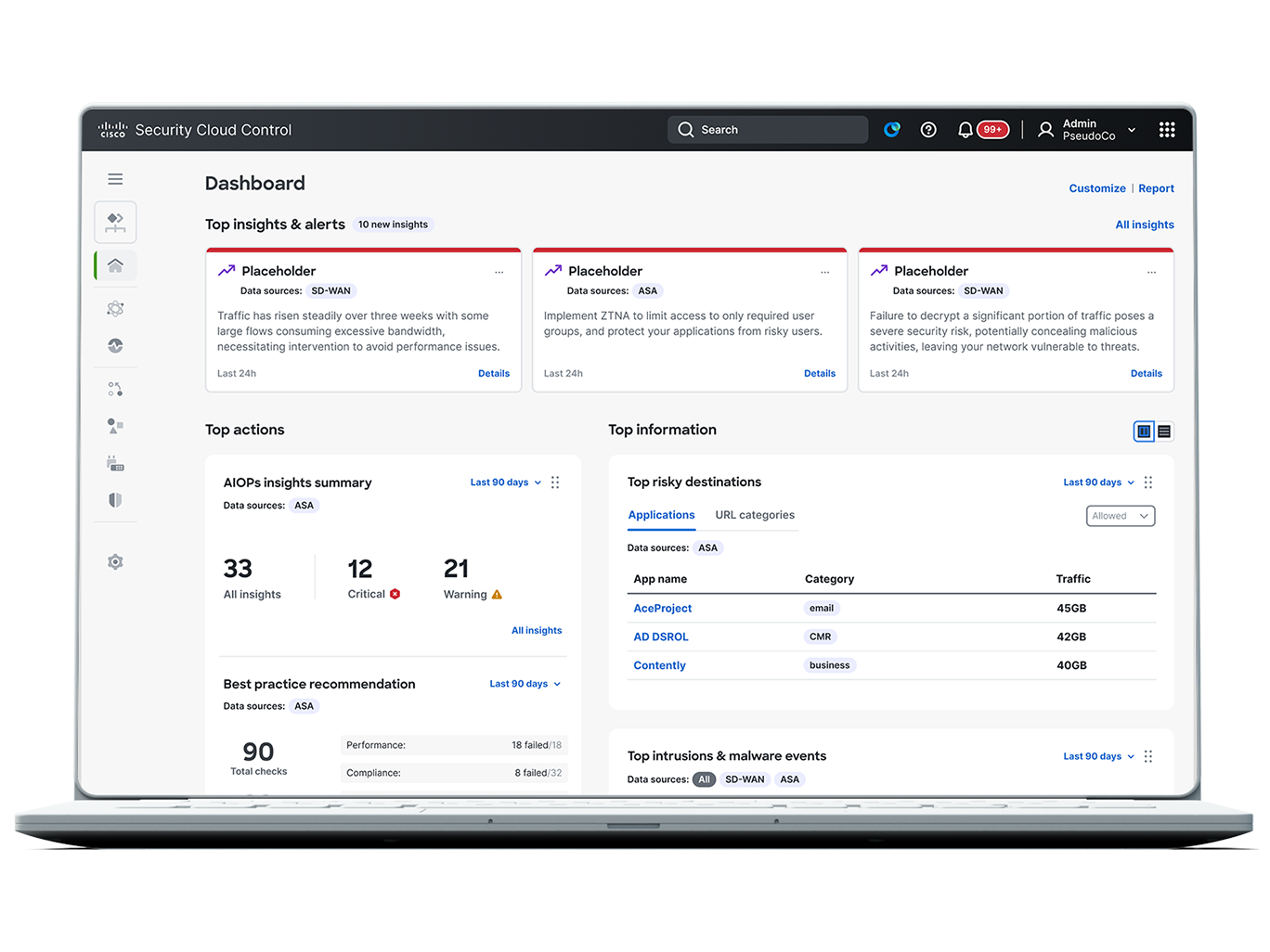
Image: Cisco
The worst part: Cisco's security team (PSIRT) confirmed this isn't just theoretical. The company says it became aware of active exploitation in September 2026 — attackers were already using this flaw against real networks before the patch was available. The very next day, the U.S. Cybersecurity and Infrastructure Security Agency (CISA) added the bug the same day to its Known Exploited Vulnerabilities (KEV) catalog, ordering federal agencies to patch it within three days — by October 3, 2026.
How the CVE-2026-76504 Attack Works
A Bug in the Login System
According to Cisco, the flaw lives in how SD-WAN Manager handles URI encoding in an HTTP request. Here's a plain-English version of what that means:
Every time your browser asks a web server for something, the request travels as text in an HTTP request — basically a line that says "please give me this page." Certain characters in these requests get converted into codes (this is called URI or "percent" encoding), and servers must decode them back correctly.
In this case, the SD-WAN Manager decoded them incorrectly. An attacker could craft a specially mangled request that tricked the system into handing them a restricted API endpoint — the same endpoint the login screen is supposed to guard. The server never realized the request came from an outsider.
No Password Required
Think of it like a locked office building where the security desk lets anyone through if they misspell their name in just the right way. The attacker doesn't need to steal credentials, guess a password, or phish anyone — they just send one carefully shaped HTTP request and walk straight in as the admin.
Cisco was blunt about the scope: all Catalyst SD-WAN Manager deployments are affected, regardless of configuration, and there are no workarounds. The only fix is upgrading to a patched release.
Why This Cisco SD-WAN Vulnerability Is So Dangerous
SD-WAN Manager is what the industry calls a "single pane of glass" — one dashboard controlling routers, policies, and traffic for a company's entire wide-area network. That's incredibly convenient for IT teams, and unfortunately just as convenient for attackers: compromise the manager, and you potentially compromise every site and device it controls.
This is also not an isolated incident. As WatchTowr's head of threat intelligence Jake Knott put it, Cisco SD-WAN "feels like an ever-present staple of the CISA Known Exploited Vulnerabilities list, with eight 2026 CVEs landing on KEV this year alone" — a clear signal that attackers have recognized how valuable this platform is as a target.
There's one more unsettling detail: patching the system does not undo an attack that's already happened. If a hacker got in before you updated, they may have changed settings, added accounts, or planted backdoors that survive the patch. That's why Cisco also published indicators of compromise (IoCs) and expects admins to hunt through logs for signs of earlier intrusion — patching alone isn't enough.
What to Do Right Now
If you or your company run Cisco Catalyst SD-WAN Manager, Cisco's advice is simple: upgrade immediately and then verify nothing was compromised first. Here's the practical checklist:
- Patch now. CVE-2026-76504 is fixed in Catalyst SD-WAN versions 26.2.1, 26.1.2.1, 20.18.4.1, 20.15.6.1, 20.12.8.2, and 20.9.10.1. Cisco-managed SD-WAN deployments have already been patched by Cisco itself. Until you can update, isolate the manager from untrusted networks.
- Hunt for signs of compromise. Audit /var/log/nms/containers/service-proxy/serviceproxy-access.log and /var/log/nms/vmanage-server.log for requests to j_security_check from unknown or unauthorized IP addresses — especially requests using usernames starting with "viptela-reserved-".
- Rotate credentials. Since patching won't remove an attacker's persistence, change admin passwords, API tokens, and certificates after upgrading, and review configurations for unauthorized changes.
- Follow Cisco's hardening guidance. Cisco published general recommendations for hardening at-risk systems alongside the IoCs — worth a read for any team running this software.
- Check the CISA deadline. U.S. federal agencies must remediate by October 3, 2026 — a three-day window that tells you how urgently everyone else should act too.
Image: Cisco
Key Takeaways
- A Cisco SD-WAN vulnerability (CVE-2026-76504) with a 9.8 severity score lets remote attackers bypass authentication and take admin control of Catalyst SD-WAN Manager — no password needed.
- It's already being actively exploited, CISA added it to its Known Exploited Vulnerabilities list, and there is no workaround.
- Patch to a fixed release immediately, then check logs and rotate credentials — updating alone won't remove an attacker who got in earlier.
- This is the eighth Cisco SD-WAN CVE to hit CISA's KEV list in 2026 — network management platforms remain prime targets, so keep yours patched.
For more stories like this, check out our more cybersecurity news and more technology news.
Sources: SecurityWeek, Real Hacker News


Discussion
// Sign in with Google to join the discussion (Settings → Comments to change who can comment)